The Golden Age
Radio’s Golden Age
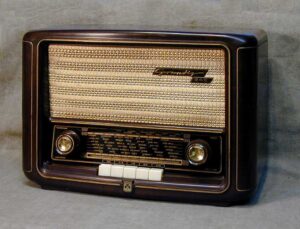
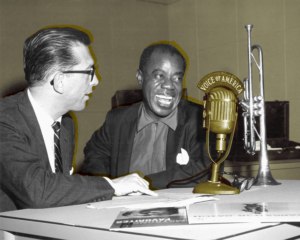
The quarter-century to about 1950 was also radio’s Golden Age in most industrial countries, where, despite wartime setbacks, radio flowered before the advent of television. Commercial broadcast programming from the United States influenced broadcasting around the world; some countries emulated it, and others abhorred it. In either case, most countries were slow to define their radio policy, and the pattern of industry development was initially not clear.
Several European countries decided early on that radio’s educational and political potential required that it become a monopoly service provided by the government, growing out of their experience with existing state telegraph and telephone services.
Rather than entertainment, such public-service systems would focus on cultural broadcasts, education, public affairs, and the like. In such countries, government policy was often established before any stations were allowed on the air.
Hybrid Radio Services
Other countries decided to construct a hybrid radio service—one that would combine the best of government-supported public service and commercial entertainment programming. While the government would license all stations, only some would be operated by the government, or by autonomous government-supported authorities, while others would be privately owned and advertiser-supported.
As the world moved toward war in the 1930s, radio broadcasting became an element of national war efforts, used both for domestic morale building and especially for international propaganda. The Axis powers adopted radio first and applied it most effectively. Both the Axis and the Allied powers quickly developed effective monitoring points to listen to and transcribe enemy broadcasts as a means of gathering intelligence.